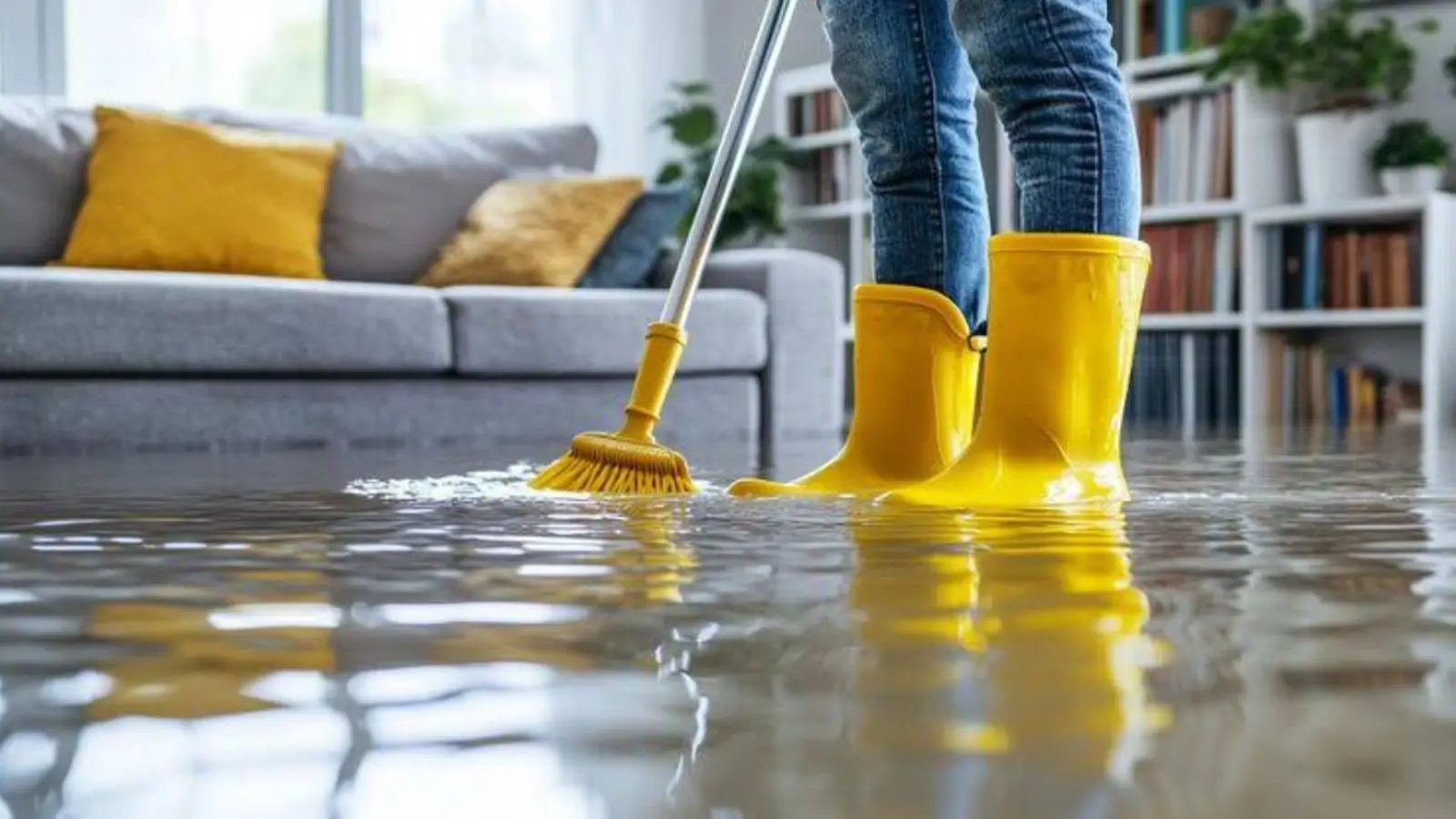
The first 48 hours after a leak decide how much of your home and belongings you keep, and cleanup is the part homeowners usually start on their own. Call (760) 769-1159 before you haul anything out, because our line is open 24/7 and the dispatcher can tell you what to save, what to toss and what to leave alone. Shut off the water source, keep people away from wet electrical areas and photograph everything first.
Water damage cleanup is the removal of water-soaked debris, contaminated materials and wet contents, followed by sanitizing and deodorizing the affected area. It sits between stopping the water and rebuilding. Cleanup answers one question: what has to leave the house so the structure can dry clean?
What gets removed and what gets saved
The decision depends on what the material is, what kind of water touched it, and how long it stayed wet. A crew works through it in order instead of tossing everything.
- Usually saved solid wood framing, concrete, tile, many hard-surface contents and clean-water-soaked items dried quickly.
- Often removed wet insulation, carpet pad, drywall that wicked water above the baseboard and particle board furniture that swelled.
- Removed when contaminated porous materials that touched sewage or floodwater, no matter how new they are.
- Documented first photos, a written list and moisture readings, so your insurer sees what was removed and why.
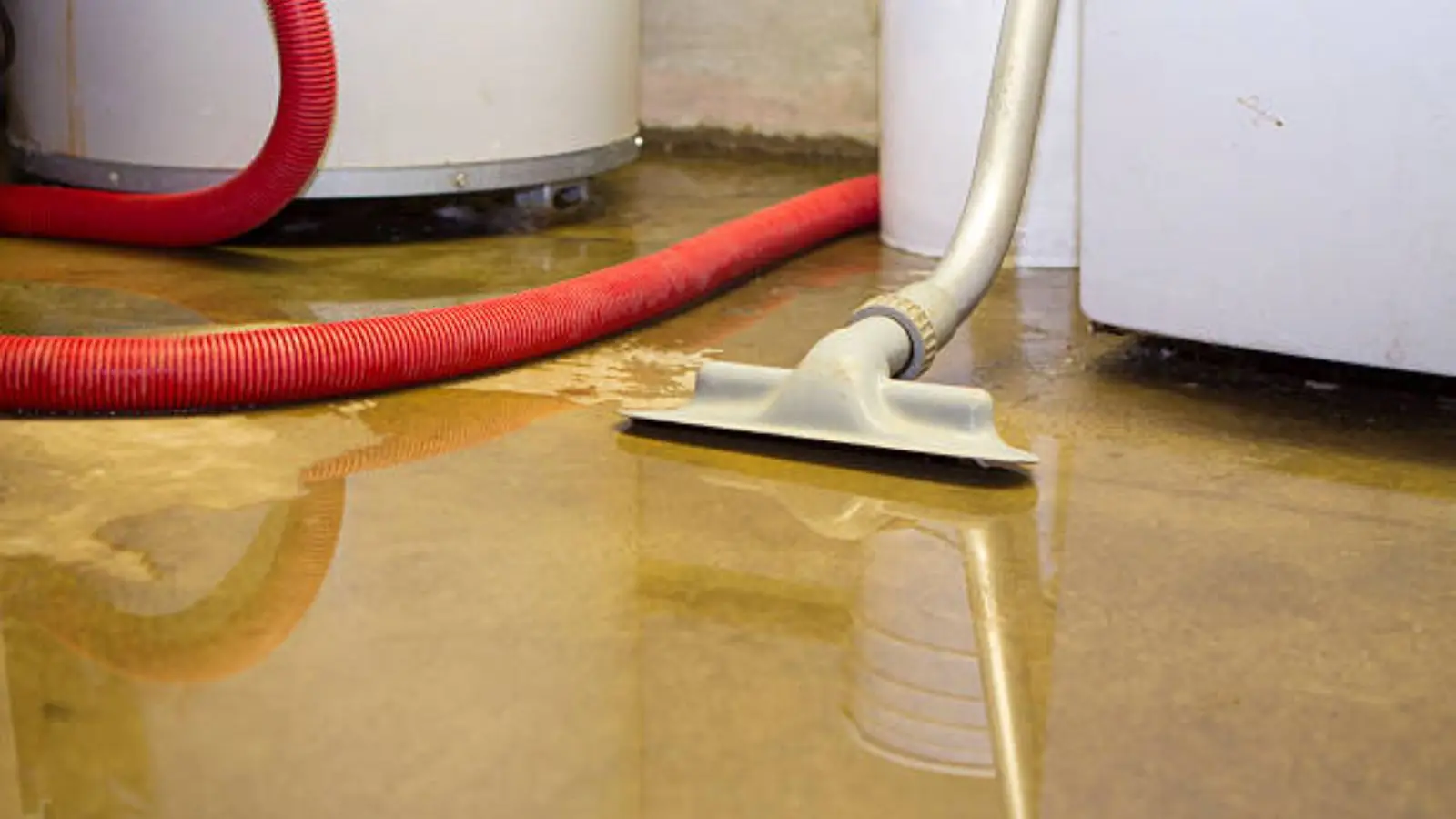
Cleaning contents after a leak
Furniture, clothing, books and electronics can often be saved if you act early. Hard items can be wiped, dried and sanitized. Upholstery and mattresses that sat in contaminated water usually cannot be cleaned to a safe standard.
Photos, papers and sentimental items need separate handling. Freezing wet paper can hold it until it can be dried properly, and a crew can advise on what is worth the effort. Electronics that were wet should not be plugged in until a professional has checked them.
Ask for contents to be moved to a clean, dry room before any demolition starts. It keeps dust and debris off things you want to keep and makes the inventory list easier to write.
Sanitizing, odors and the first 48 hours
Once debris is out, surfaces are cleaned and treated with an antimicrobial product matched to the water category. Odor is a sign that moisture or contamination is still in the building. Masking it with air freshener does not fix it, and the source has to be found and removed.
Mold can begin to grow on wet organic material within 24 to 48 hours, per EPA guidance, which is why cleanup and drying run side by side. If mold has already appeared, the job moves to the mold remediation team.
When cleanup becomes an emergency
A small clean-water spill is a cleanup job. Overflowing toilets, backed-up drains, storm runoff and long-standing water are emergencies that need a crew tonight. Use the 24/7 line for any of them.
| What happened | Cleanup response | Call now or wait? |
|---|---|---|
| Clean supply line leak caught in an hour | Extract, dry and wipe down hard surfaces | Same-day response is usually fine. |
| Washing machine or dishwasher overflow | Remove pad, treat surfaces and sanitize | Call within hours, because Category 2 water worsens with time. |
| Toilet or sewer backup | Remove porous materials, disinfect and extract | Call immediately and keep people out. |
| Storm runoff through a door | Remove mud, silt and wet material, then disinfect | Call immediately. |
Never use a household vacuum on wet floors or touch wet electronics. If water reached an outlet or appliance, the safe step is to stay out and call the utility or 911 for electrical risk before calling a restoration line.
What moves the price of cleanup
Cleanup is scoped before it begins, and scope and price are explained before work starts. These factors make the biggest difference.
- Water category contaminated water means more disposal, more sanitizing and more protective gear.
- Area and debris volume a single bathroom and a whole floor are very different jobs.
- Materials removed carpet and pad are quick, while plaster, tile and built-in cabinets take longer.
- Contents work packing out and cleaning belongings is added only when you need it.
- Odor and treatment needs persistent odors need source removal and sometimes extra air treatment.
If a claim is involved, sudden and accidental water damage is often covered and gradual leaks often are not. Keep damaged items until your adjuster says they can go, and ask your insurer what they want documented.
Cleanup that fits farm-valley homes and desert weather
Homes in this part of the Coachella Valley sit close to working farm fields, so floodwater and runoff often carry soil and mud that sticks to everything. Cleanup includes washing that silt out of door tracks, wall cavities and under cabinets, not just wiping surfaces. We serve ZIP 92274 in Thermal and neighboring areas, including Coachella and Mecca.
Once cleanup is complete, the rebuild crew replaces drywall, flooring and trim. Our crews coordinate each stage so you are not lining up separate trades.
Questions about water damage in Thermal
Yes. Our dispatch line runs 24/7 and a crew is sent same-day when available. Overflows, backups and storm water get priority, and the dispatcher can tell you what to do while you wait.
No. Hard items and clean-water items can often be saved. Porous materials that touched contaminated water, and carpet pad in most cases, are removed. Ask the crew before you toss anything your insurer may want to inspect.
A lingering smell usually means moisture is still trapped in a wall, floor or insulation, or a porous material was left in place. The source has to be found and removed, and air fresheners will not fix it.
Sometimes, but do not plug them in. Have a professional check them first, because a wet charger or power strip can be dangerous.
Cleanup removes the wet and damaged material and sanitizes the area. Repair rebuilds it with new drywall, flooring and paint once everything is dry.