Almost every caller asks about price first, and that is a fair question. The honest answer is that two wet floors can cost very different amounts, because the price follows the scope of work and the scope follows the water.
This page explains what moves a restoration bill up or down, so you can ask better questions. Scope and price are explained before work starts, and our water damage cleanup crews walk you through both on site.
Price follows scope, not the other way round
A restoration price is built from what has to be done: removing water, drying structure, cleaning and, if needed, taking out materials that cannot be saved. Each of those steps depends on what the crew finds when they measure the damage.
That is why a number given over the phone before anyone has seen the property is a guess. We would rather tell you what drives the number and then confirm it once the readings are in.
Think of it like a repair on a car. The shop cannot name a total until someone has looked under the hood, and a wet building works the same way.
The six factors, side by side
The table below shows what changes the scope of a typical job. None of these is a fixed rule, and a single job often involves several at once.
| Factor | What changes | Effect on scope |
|---|---|---|
| Water category | Clean supply water versus gray water or sewage | Higher categories mean more removal, more cleaning and more protective steps |
| Affected area | How many rooms, walls and floor surfaces are wet | Larger areas need more equipment and more monitoring |
| Materials | Tile, hardwood, carpet, drywall, insulation, cabinets | Porous materials are more likely to be removed than dried |
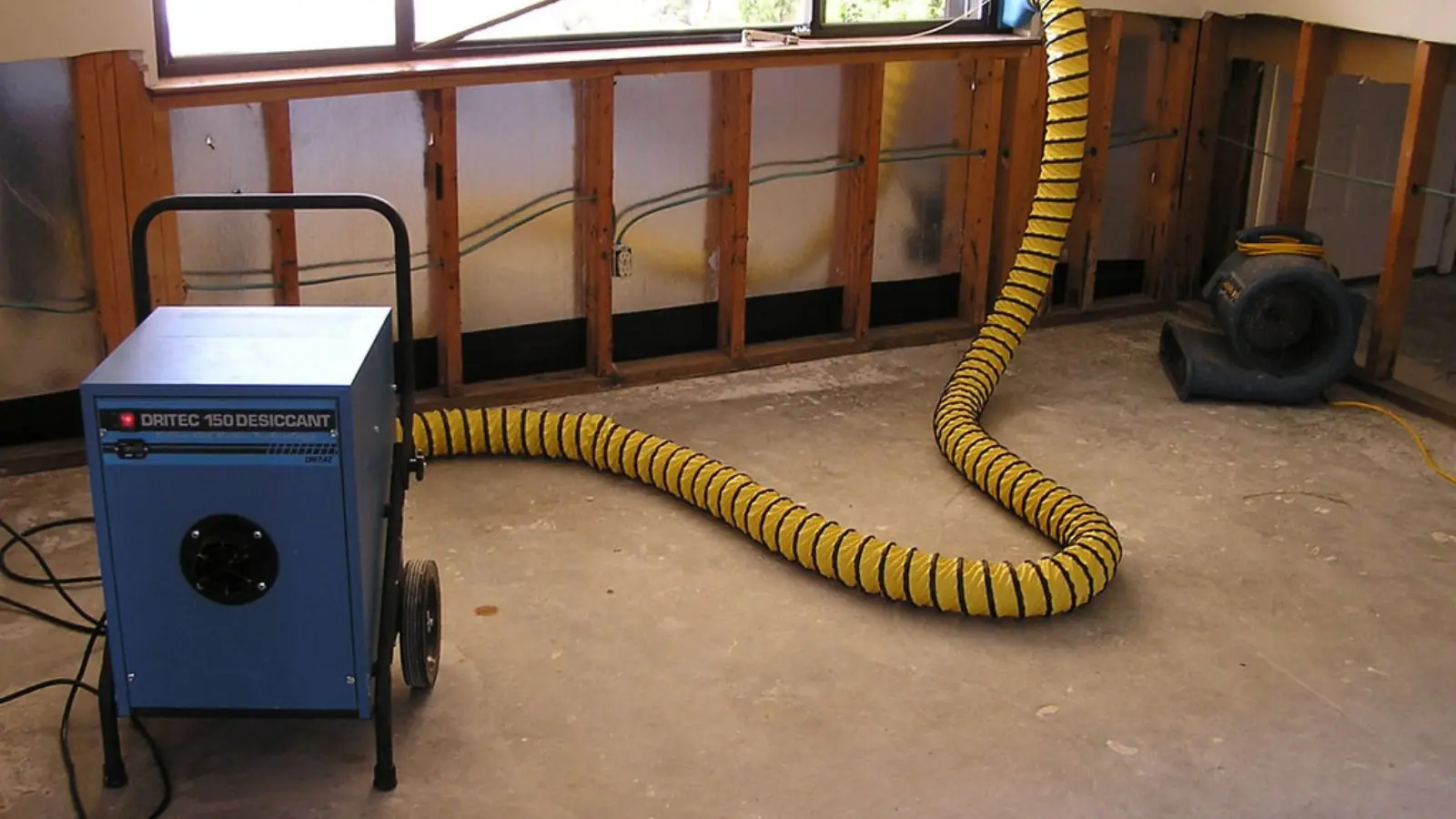
| Drying days and equipment | How wet the structure is and how fast it dries | More air movers and LGR dehumidifiers, and more days of readings |
| Rebuild scope | What has to be replaced after drying | Repairs such as drywall, paint and flooring are separate work |
| Access | Crawl spaces, tight walls, locked rooms, stairs | Hard access takes more labour and sometimes opens walls |
Why the water category matters so much
Clean water from a broken supply line is the simplest case. Water that has crossed a floor, soaked carpet pad or touched a drain is treated with more care, and sewage requires full protective steps and removal of porous materials.
Category 1 water becomes Category 2 or 3 with time and contact. A leak found on the first day usually stays simpler than the same leak found after a week.
A crew will usually test and note the category before quoting anything. If the category changes during the job, the scope can change with it, and you should hear about that before more work is done.
Materials and drying time
Hardwood, subfloor and carpet pad hold water longer than tile. Drywall that stays wet usually has to be cut out, and insulation inside a wet wall often goes with it.
Drying usually takes several days. The crew uses a moisture meter and a thermal imaging camera to confirm the structure is dry before equipment is removed, so the bill reflects the days it took to reach dry readings.
Equipment counts also change the picture. A single wet bathroom may need a few air movers and one LGR dehumidifier, while a whole wet floor plan needs far more and runs for days longer.
What a clear written scope should include
A good scope names each room, the materials to be removed and the equipment to be placed. It says how many days of monitoring are expected and what happens if readings stay high.
It should also separate extraction, drying, cleaning and any contents handling, so you can see where each part of the work sits. Vague one-line scopes make comparison almost impossible.
If something changes on site, such as hidden wet insulation, the scope should change on paper too. Ask for the revised version before work continues.
- Rooms and surfaces included
- Materials to be removed or kept
- Equipment and expected drying days
- How dryness will be verified
- What is not included
Repair is a separate line from restoration
Restoration gets the structure wet-free and clean. Rebuilding, such as new drywall, paint, base trim and flooring, is repair work and has its own scope.
Some owners hire one company for both and some use their own contractor. Either is fine, but ask for the two scopes to be written separately so you can compare them clearly. Our water damage repair work covers the rebuild side.
Hiring, licences and asking the right questions
Since January 1, 2025, work worth $1,000 or more generally needs a licensed contractor in California. You can check a licence on the California Contractors State License Board website, cslb.ca.gov, before you sign anything.
Ask for a written scope that lists what will be removed, what equipment will be used and how drying will be verified. A reasonable company explains the scope before work starts and does not ask you to guess.
Ask also whether the crew will handle your rebuild after drying or only the water side. Knowing that early avoids a gap between two companies.
Your water provider and your repair bill
In much of the eastern valley, Coachella Valley Water District provides domestic water. Some Thermal homes were served by small mutual water systems, and one CVWD project connected the privately owned Thermal Mutual Water Company system to the district. The name on your water bill tells you which provider to call about a main line problem, so check it before you assume a leak is yours to fix.
A main line fault outside the meter is the provider's concern, while a broken line inside the wall is yours. Knowing which side the leak is on keeps the restoration scope and any repair bill aimed at the right party.
Cost, claims and warning signs: common questions
We can explain what sets the price, but a firm figure needs the water category, the area and the materials. Once the crew has measured the damage, scope and price are explained before work starts.
One may include drying and removal and the other only extraction. Compare the written scopes line by line, including how drying will be verified and whether rebuild work is included.
Not automatically. Restoration dries and cleans, and rebuilding is separate work with its own scope. Ask for both to be written down so you know where one ends and the other begins.
Ask when you call. The Mecca service area and the La Quinta side of the valley are both covered from the same dispatch line, and any travel factor should be stated in the written scope.